

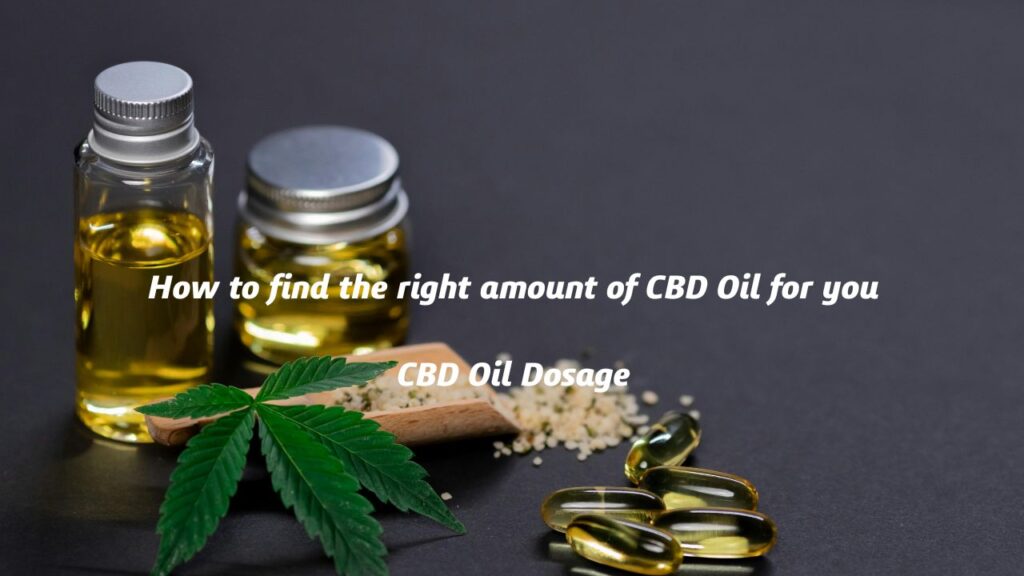
How to find the right amount of CBD Oil for you? CBD Oil Dosage
New to CBD? A Beginner’s Guide to CBD Oil in Australia
If you’re new to CBD oil, you’ve probably heard plenty about it and may be curious about how it works, what it does, and whether it’s right for you. CBD, or cannabidiol, is one of many compounds found in the cannabis plant. Unlike THC (tetrahydrocannabinol), CBD is non-psychoactive, meaning it won’t get you “high” — but it has gained attention for its potential therapeutic properties. People are turning to CBD as a natural way to manage a variety of health concerns, but before you jump in, it’s essential to understand the basics.
CBD works by interacting with the body’s endocannabinoid system (ECS), which helps regulate functions like mood, sleep, appetite, and immune response. Some research suggests that CBD may provide relief from conditions such as chronic pain, anxiety, and inflammation. However, it’s important to keep in mind that everyone’s body reacts differently, so while some people find relief with CBD, others may not experience the same benefits.
When you’re ready to try CBD, the first thing to consider is the quality of the product. Ideally, look for CBD oil made from organic hemp that includes a full spectrum of cannabinoids. Full-spectrum CBD products contain not only CBD but also other beneficial compounds found in the cannabis plant, such as terpenes and flavonoids. These compounds work together in what’s known as the “entourage effect,” which may enhance the overall effectiveness of the CBD.
Now that you have a basic understanding of CBD, it’s time to think about how to get started with it. One of the most common questions is, “How much CBD should I take?” The answer depends on a variety of factors, including your body weight, individual tolerance, and the condition you’re trying to address. The best advice is to start with a small dosage — around 5 mg of CBD — and gradually increase it until you find the right amount for your body.
Also, it’s important to understand the difference between CBD oil and hemp oil. Although they are sometimes marketed interchangeably, they are not the same. CBD oil is extracted from the cannabis plant and contains a significant amount of cannabidiol, whereas hemp oil (or hemp seed oil) comes from the seeds of the hemp plant and contains no cannabinoids. Hemp oil doesn’t provide the same benefits as CBD oil.
As you explore the world of CBD, always consult with a healthcare professional before starting any new supplement, especially if you have any underlying health conditions. Your healthcare provider can help you navigate the right dosage and ensure that CBD is a good fit for your health needs.
How Much CBD Oil Should I Take?
Finding the right dosage of CBD is not a “one-size-fits-all” situation. The ideal dose can vary significantly from person to person, depending on factors like your body weight, metabolism, the severity of your symptoms, and your individual tolerance to CBD.
CBD Oil Dosage Calculator
To make the process easier, some websites offer a CBD oil dosage calculator. These tools ask for essential information like your body weight and the severity of your condition and then generate a recommended dosage range. It’s a handy way to start your CBD journey.
Factors Influencing Dosage
Your ideal CBD dosage is influenced by a few key factors:
Body weight: People with a higher body weight may require a higher dose to achieve the same effect as someone with a lighter weight.
Age and metabolism: Your metabolism affects how quickly your body processes CBD. Younger individuals or those with faster metabolisms may need a different dose compared to older individuals.
Severity of condition: The more severe your condition, the higher your CBD dosage may need to be. For example, someone using CBD for chronic pain might need a higher dose than someone using it for mild anxiety.
Types of CBD Products
CBD is available in various forms, including oils, tinctures, edibles, and topicals. The type of product you choose can impact how your body absorbs CBD and the dosage you need. For example, CBD oils and tinctures have a higher bioavailability, meaning they are absorbed into the bloodstream more quickly. Edibles, on the other hand, pass through the digestive system, which can slow down the absorption process and reduce bioavailability.
CBD Dosage Guidelines
If you’re new to CBD, it’s recommended to start with a very low dosage — perhaps one drop of CBD oil once or twice a day — and gradually increase the amount until you achieve the desired effect. However, the correct dosage will depend on the severity of the condition you’re treating.
For less severe issues like mild pain or anxiety, a lower dose may be sufficient. But for more chronic conditions like severe anxiety or long-term pain, a higher dosage may be necessary. As always, consulting with a healthcare professional is essential before starting a new CBD regimen.
Dosage Tips Based on Consumption Method
Oils & Tinctures: The dosage is typically adjusted drop by drop, making it easy to find the right amount for your needs. You can administer these under your tongue (sublingually) for faster absorption.
Topicals: When using CBD oil topically for localized issues, the dosage depends on the concentration of the product and how much you apply. You can apply a small amount directly to the affected area.
Edibles: CBD-infused edibles (like gummies) can be an easy and tasty way to consume CBD, but keep in mind that they take longer to work since they need to go through the digestive system first.
How Long Does CBD Take to Work?
Another common question is: “How long will it take for CBD oil to work?” The answer depends on several factors, including your metabolism and how you’re taking the CBD.
Sublingual (under the tongue): When CBD is taken under the tongue, it’s absorbed directly into the bloodstream and usually starts working within 15-45 minutes.
Oral ingestion (capsules, edibles): If you take CBD in the form of an edible or capsule, it must pass through the digestive system, so it typically takes 1-2 hours to take effect.
Topical: When applied to the skin, CBD can take anywhere from 15 minutes to 2 hours to provide relief, depending on the severity of the issue.
Duration of Effects
Once CBD takes effect, how long the effects last can vary depending on the method of administration:
Sublingual: Effects can last anywhere from 4-6 hours.
Oral ingestion: For edibles or capsules, the effects can last between 6-8 hours.
Topical: The effects typically last between 2-8 hours, depending on the severity of the condition and the individual.
Everyone’s body is different, so it’s important to monitor how you feel and adjust your dosage accordingly.
Conclusion: CBD Oil in Australia
CBD oil has a lot to offer, from pain relief and reduced anxiety to improved sleep and heart health. Whether you’re new to CBD or just looking to learn more about it, understanding how to find the right dosage and what factors affect its effectiveness can help you get the most out of it. In Australia, CBD is legally available with a prescription, and you can find it in pharmacies, online, and through licensed healthcare providers.
Remember, as with any supplement, it’s important to start slow and consult a healthcare professional if you have any concerns or questions. Everyone’s body reacts differently to CBD, so take the time to experiment and find what works best for you. Enjoy your CBD journey, and here’s to better health!


