

CBD for Pain and Inflammation: What You Need to Know
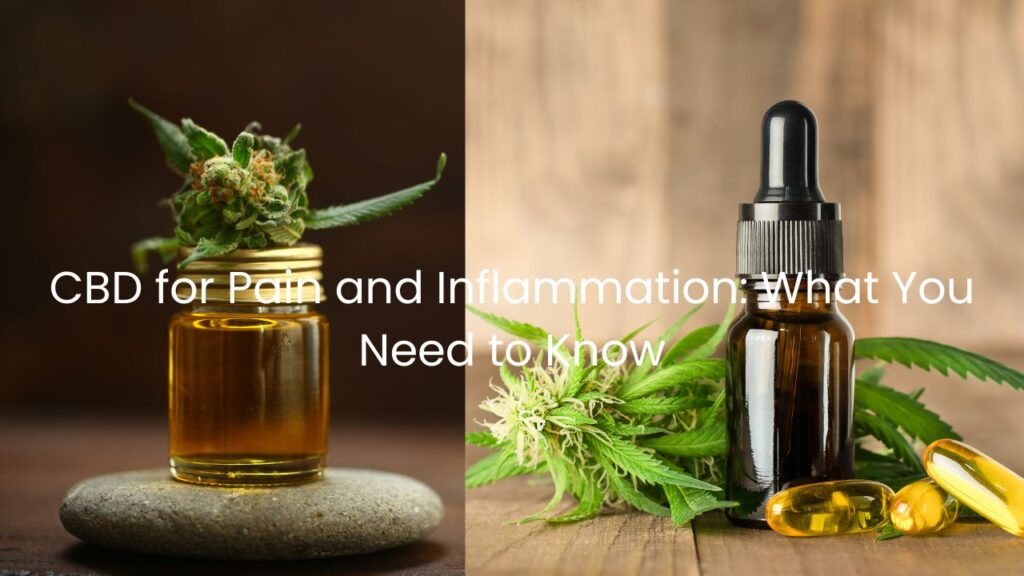
If you’ve dealt with pain for a while, you know how draining it can be. A stiff back in the morning, sore knees after work, or that dull throbbing that sticks around all day—it all takes a toll. Many people reach for CBD because they want something gentler than prescription options but stronger than basic home remedies. And with CBD products everywhere, it’s normal to wonder whether they actually help.
Let’s unpack what CBD can offer, how it behaves in your body, and what folks usually experience when using it for pain and inflammation.
So, What Exactly Is CBD?
CBD stands for cannabidiol. It comes from the hemp plant, a close relative of cannabis. But here’s the thing most people want cleared up right away: CBD doesn’t make you feel high. That effect comes from THC, which isn’t the focus in these products. CBD works differently. It interacts with natural systems in your body that help manage stress, pain, and steady functioning.
You’ll see CBD sold as oils, gummies, capsules, creams, balms, and even patches. The style you choose depends on the kind of relief you need.
Why People Use CBD for Pain
Pain shows up in many ways. Some face sharp flare-ups. Others deal with a slow, lingering ache. CBD appeals to people because it supports comfort without causing a foggy head or risky side effects.
Here are a few reasons people give CBD a try:
1. They want a calmer body
CBD may help relax tense muscles, soothe nerves, and take the “edge” off discomfort.
2. They want day-to-day support
Instead of knocking pain out in one blow, CBD tends to offer steady relief that builds with regular use.
3. They’re trying to cut back on certain medications
Some medications can cause unwanted effects. People often add CBD to lighten their load, under a doctor’s guidance.
4. They want a natural option
CBD is plant-based, which makes it appealing for anyone who prefers a mild, steady helper.
How CBD May Help With Pain
Your body has a network that regulates sleep, mood, stress, and pain signals. Think of it like the body’s internal “balancing crew.” CBD works by influencing receptors in this system.
Here’s a simple look at how that may help with pain:
It may calm nerve activity that contributes to pain
It may ease swelling
It may relax tight tissue
It may help the brain process pain signals in a smoother way
The goal isn’t to numb you. It’s more like turning down the volume on painful sensations.
CBD and Inflammation: A Natural Pair
Inflammation is your body’s alarm system. When something’s wrong—an injury, stress, or irritation—your body triggers swelling to protect you. But when that swelling sticks around for too long, it becomes uncomfortable and tiring.
CBD may help your body settle that response, giving you relief from stiffness and swelling.
People often use CBD for:
Joint pain
Muscle soreness
Swelling after workouts
Long-term tension
This makes CBD especially popular among older adults, athletes, and folks who sit for long hours.
Different Types of CBD and How They Work
CBD comes in a few main forms. Each one works differently and supports specific needs.
1. CBD Oil (Tinctures)
This is one of the most common options. You place drops under your tongue and let them absorb before swallowing. Oils enter the bloodstream fairly fast, making them useful for both sudden and ongoing pain.
Great for:
Daily support
Quick comfort
Easy dose changes
2. Capsules
Capsules are simple and steady. Your body absorbs them through digestion, so they take longer to kick in.
Great for:
Routine use
People who want predictable amounts
3. Gummies
Gummies taste good and feel casual. They take time to absorb, but many people like them because they’re easy to use.
Great for:
New users
Mild to moderate discomfort
4. Topicals (Creams and Balms)
Topicals are rubbed directly into the skin. They don’t reach the bloodstream, but they’re perfect for targeted areas like knees, elbows, shoulders, or your lower back.
Great for:
Localized pain
Athletes
Older adults with stiff joints
5. Patches
CBD patches release CBD slowly through the skin. They’re handy for long days when you need steady comfort.
Great for:
Extended relief
Busy workdays
How Long Does CBD Take to Work for Pain?
The timing depends on the method:
Oils: 15–45 minutes
Capsules: 45–90 minutes
Gummies: about an hour
Topicals: 20–40 minutes
Patches: gradual, steady release
Everyone’s body reacts differently, so it may take a bit of testing to see what works for you.
What About Dosage?
There’s no universal dose that works for everyone. A good starting point is:
Begin low
Watch how your body responds
Increase slowly
Many people start with 10–20 mg per serving and adjust from there. Some need more, especially for long-term pain.
Your experience depends on:
Body size
Metabolism
Pain level
Product type
Patience is your friend here. It may take a week or two to find your sweet spot.
What Kind of Pain Does CBD Work Best For?
CBD isn’t a cure, but many people find it helpful for certain types of pain.
1. Joint Pain
Stiff knees, sore hands, and swollen joints often respond well to a mix of CBD oil and CBD creams.
2. Muscle Soreness
After workouts, long drives, or manual labor, CBD may ease tight spots.
3. Nerve-Related Discomfort
Some users say CBD helps soften sharp, burning, or tingling pain.
4. Back Pain
This is one of the top reasons people reach for CBD, especially when the pain builds slowly through the day.
5. Menstrual Discomfort
Many people use CBD for cramps and lower-back tension during their cycle.
How CBD Helps With Inflammation
CBD may calm swelling by influencing natural processes that control your body’s response to irritation or injury.
People often find relief from:
Swollen joints
Muscle inflammation
Exercise-related swelling
Persistent irritation
Instead of shutting these responses off, CBD may help your body bring them back to a comfortable range.
Can CBD Replace Medication?
Some people try CBD to reduce their reliance on certain medications, but this depends on the person and their condition. CBD is not a replacement for medical treatment. It’s something you can add alongside other tools, as long as your doctor approves.
Think of CBD as support, not a substitute for serious care.
Possible Side Effects
Most people handle CBD well. But like anything, it may cause mild effects such as:
Dry mouth
Light tiredness
Slight appetite changes
Stomach upset (rare)
These usually fade once your body adjusts.
If you take medications, especially for pain, mood, or blood thinning, it’s smart to talk with a doctor before starting CBD.
How to Pick a Quality CBD Product
Choosing the right CBD can feel like walking through a maze. Here’s a quick guide to avoid disappointment.
Look for products that offer:
Independent lab testing
Clear CBD amounts on the label
Clean ingredients
Straightforward language
Consistent customer feedback
Avoid products that:
Hide their CBD amount
Use vague phrases like “hemp extract” without details
Lack any test results
Good CBD products tell you exactly what’s inside.
CBD vs THC for Pain
THC is known for its strong pain-relieving properties, but it causes a high. CBD does not. Many people prefer CBD because it keeps them clear-headed while offering comfort.
Some products combine small amounts of THC with CBD. This can boost effects for pain, but it’s not legal everywhere, so check your local rules first.
Should You Choose Oil or Topicals?
It depends on your goal.
Pick oil if you want:
Full-body comfort
Support for stress or rest
Day-to-day balance
Pick topicals if you want:
Targeted relief
Quick comfort in one area
Support for joints and muscles
Many people use both at the same time.
Can You Build Tolerance to CBD?
Most people don’t. CBD isn’t known for causing dependence. In fact, many users stay at the same dose for months without needing more.
Realistic Expectations
CBD won’t erase pain instantly like a strong prescription drug. The goal isn’t to shut your body off—it’s to make daily discomfort easier to handle.
Most users describe the experience like this:
“It helps me move without wincing.”
“It softens the pain so I can get through my day.”
“It helps with stiffness more than anything.”
For many, that’s enough to feel a big difference in quality of life.
Final Thoughts
Pain can control your schedule, your mood, and even your energy. CBD offers a gentle, steady option that may help you feel more comfortable without harsh effects. People use it for aching joints, stiff muscles, lingering swelling, and nerve irritation. It may not wipe pain away, but it can make life far more manageable.
If you use a good product and give your body time to adjust, CBD might become a small but dependable part of your routine.
If you want, I can also create a shorter version, meta description, keyword list, YouTube script, or a product comparison for different CBD strengths.


